Advancing Student Learning: Q&A with Professor Sarah Licharowicz
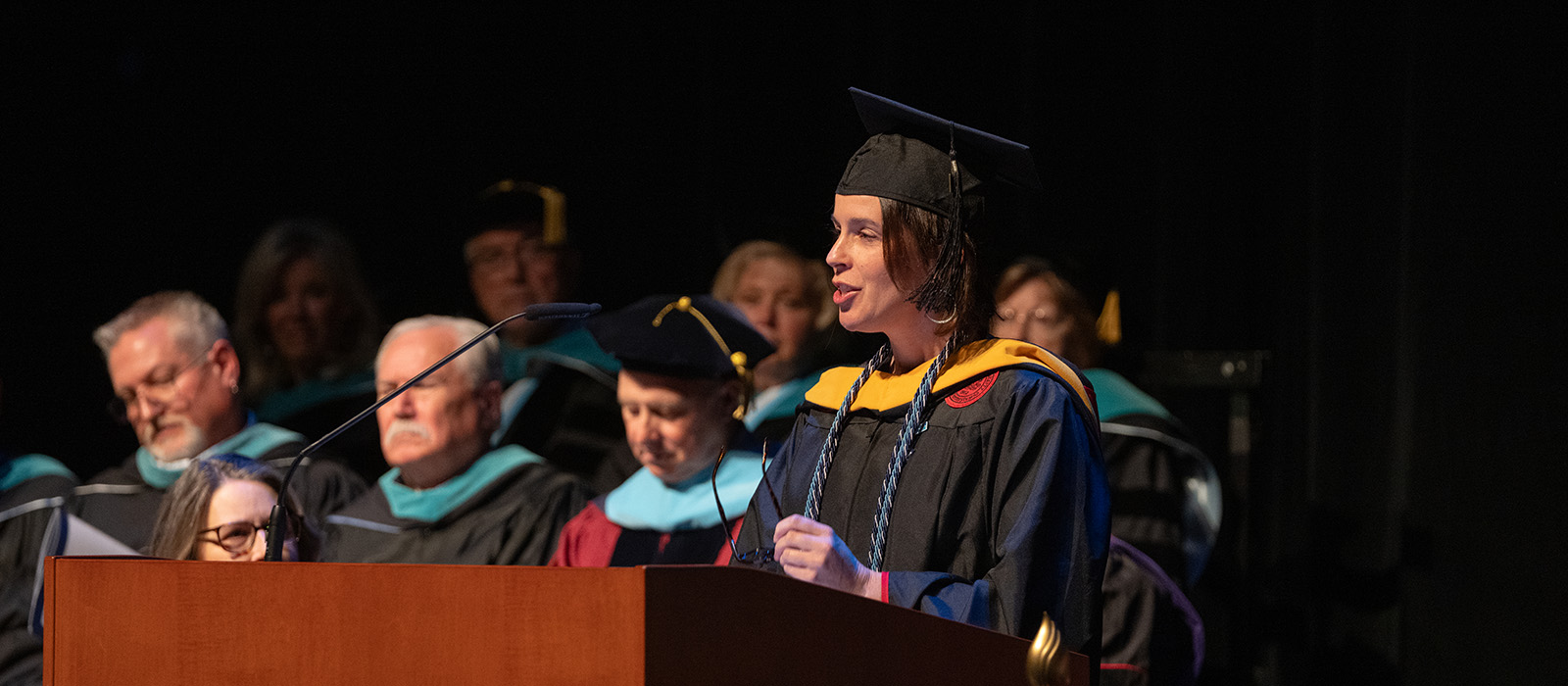
From innovative teaching practices to research centered on human connection, Sarah Licharowicz, Professor of Carroll’s Physical Therapist Assistant Program, brings curiosity, compassion, and intention to her work in higher education. In this Q&A, she shares insights from her professional journey, her approach to student learning, and the ideas that continue to shape her work as an educator.
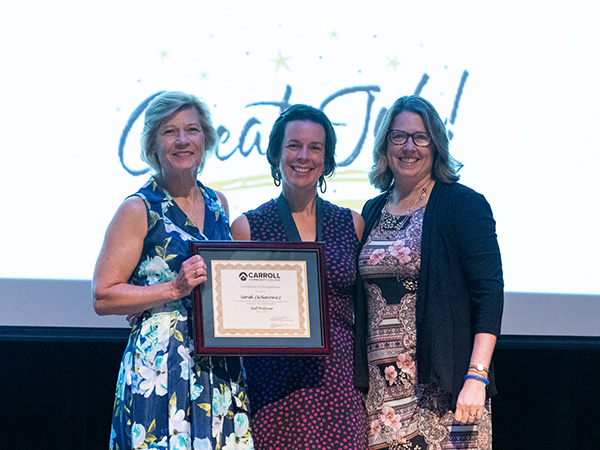
Q: Share your journey from a PTA to your recent promotion to Full Professor?
Sarah Licharowicz: I actually started as a Certified Athletic Trainer working in a physical therapy clinic in South Central PA. I did outreach to Gettysburg College, Mount Saint Mary’s University, and local high schools and club sports teams. I am a graduate of Carroll Community College’s Physical Therapist Assistant (PTA) program (Class of 2007). I love to learn and am continuously looking for ways to be a better instructor and offer innovative student learning opportunities. My promotion from Assistant to Associate Professor and subsequently from Associate to Full Professor have reflected this journey to bring value to the classroom.
Q: If you could go back and give your younger professional self-one piece of advice, what would it be?
SL: Take bigger chances. Don’t let fear get in the way. Persevere.
Q: What drew you to study thriving in older adults living in long-term care?
SL: The aspect of social connection is important as we age, and the research has confirmed that meaningful social supports help us thrive across the lifespan. However, feeling connected to others becomes more important as we age and our social networks begin to shrink, which is amplified when relocation to the long-term care setting becomes a necessity. I have noticed that my research is applicable to the academic environment as well. We work hard to build a sense of community and belonging in the PTA program. I strongly believe that offering both social and environmental support helps our students thrive, and I have developed a greater appreciation for collegewide efforts to support student success.
Q: Can you describe a simulation-based initiative you’ve developed and how it has enhanced student learning?
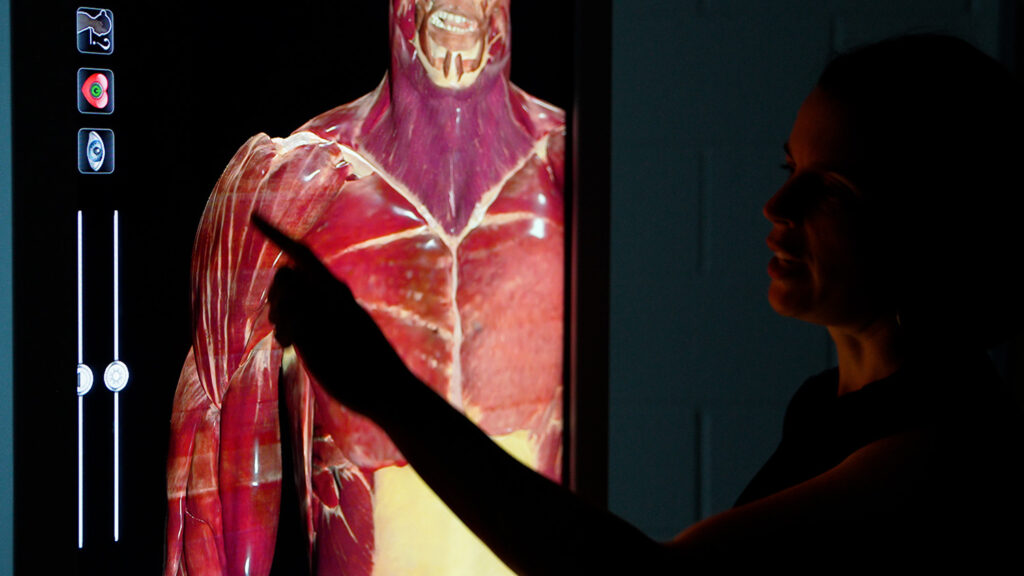
SL: Virtual reality. We have used virtual reality for two types of simulated experiences. First, students experience hallucinations and confusion associated with dementia. Then, students practice effective communication with patients, providers, and family members in a variety of scenarios.
Q: What led you to begin a doctoral dissertation focused on thriving in older adults living in long-term care?
SL: I think that many families have difficulty navigating the long-term care environment, and that there is a lot of opportunity to help families support their loved ones during this phase of life.
Q: When designing student learning experiences, how do you tailor them to meet the diverse needs, backgrounds, and learning styles of students and colleagues?
SL: While we have preferred learning styles, being able to learn in multiple ways helps create stronger neural connections. When designing learning experiences, I try to bring active strategies into the classroom as often as possible, where students must interact and learn from one another.
Q: What accomplishment—big or small—are you most proud of at this stage in your career?
SL: My children are far and above the biggest and most meaningful accomplishment of my life. I am infinitely proud of the beautiful women they are becoming!
You can read Prof. Licharowicz’s Full Professor acceptance speech here.