Assembler: Electronic Certificate
At a Glance
Master the Art of Precision: Assemble a High-Tech Future
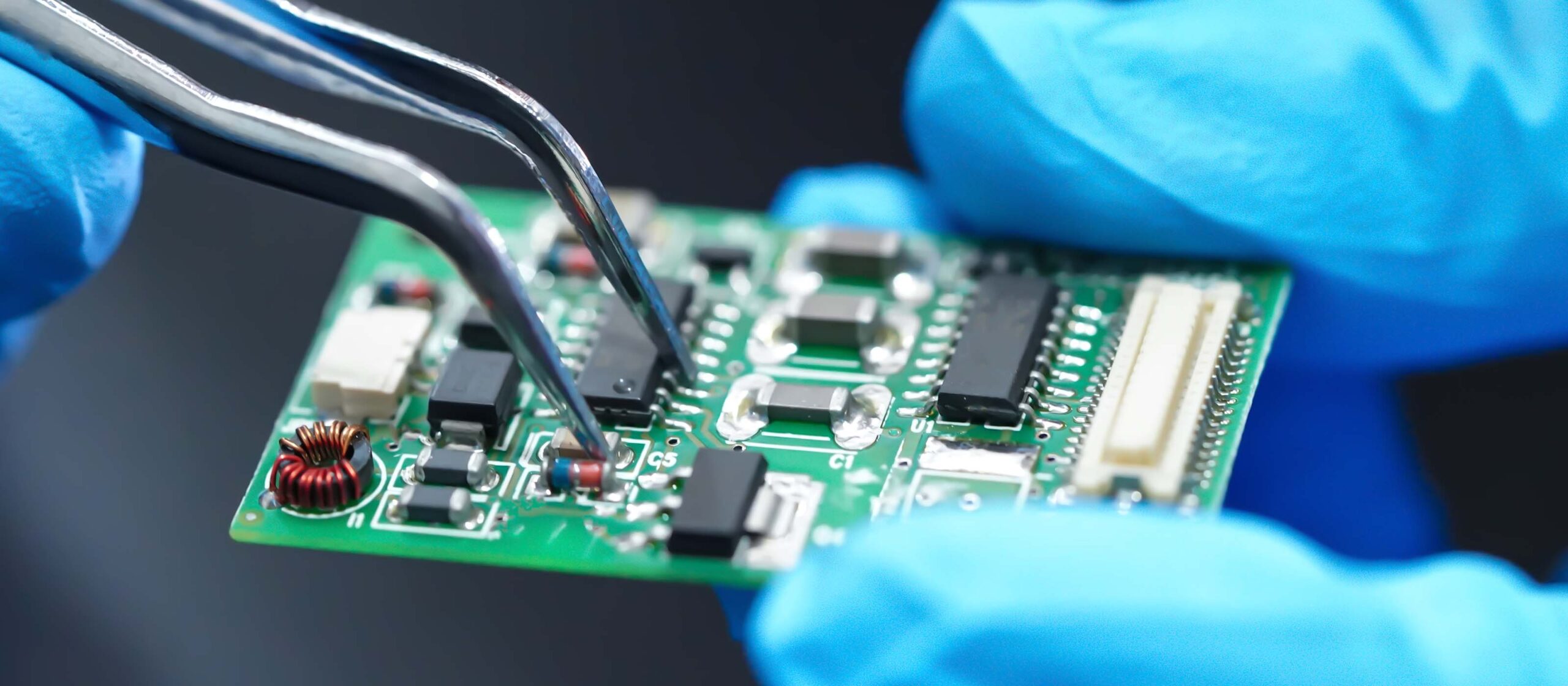
Learn to build, modify, and repair devices like computers and electric motors by following electronic diagrams and using a variety of hand tools. Master soldering and circuit board handling while preparing for IPC J-STD-001 certification, the industry standard for soldering processes & materials used in electronic assemblies.
Schedule:
Offered a few times a year; weekday daytime classes
Next Start Date:
Oct. 19, 2026
Approx. Number of Hours/Weeks:
32 hours/1 week
Eligibility:
At least 16 years old; high school–level understanding of reading and mathematics, possess sufficient fine motor skills to perform detailed tasks
Program Cost:*
$2,134 (includes certification exam); up to 100% may be covered by the Ratcliffe Works Grant: Apply for Assistance
Certification Earned:
IPC J-STD-001
What You’ll Learn
Gain the technical expertise employers need to build, repair, or modify advanced electronic equipment.
- Master soldering techniques and electronic materials assembly.
- How to read and interpret electronic schematics and related diagrams.
- Inspection and testing procedures to ensure quality and functionality.
- Safety standards and best practices in electronic manufacturing environments.
Northrop Grumman is a defense contractor that works with developing leading-edge technology here in central Maryland. Our future depends on valuable skills we use every day in our manufacturing processes, especially electronic assembly skills, at both our Sykesville and BWI facilities.
Curriculum
Our Electronic Assembler Certificate program equips you with the foundational skills, hands-on training, and industry knowledge needed to succeed in today’s fast-paced tech industries.
View all current course offerings. This program is offered in Fall and Spring.
Prepare for a rewarding career in the dynamic tech industry! Gain the fundamental skills and knowledge essential for success in electronic assembly and related industries. Explore the intricacies of soldering, master circuit board utilization, and hone mechanical assembly techniques using a variety of hand tools. Our well-rounded training program combines theory with practical hands-on experience, equipping you with the confidence to sit for the IPC J-STD-001 certification, the industry standard for soldering processes and materials used in electronic assemblies. Elevate your career prospects and join the ranks of skilled professionals thriving in this dynamic field.
Licensure/Certification Earned
Students who successfully complete the program will be prepared to sit for the IPC J-STD-001 certification, the industry standard for soldering processes and materials used in electronic assemblies.
Why Choose Carroll’s Electronic Assembler Training?
- Real-World Skills: Learn hands-on soldering assembly to step directly into a rewarding high-tech career.
- Fast & Affordable: Complete training in just 1 week with up to 100% of the program cost covered by the Ratcliffe Works grant for eligible participants.
- Make Connections: Network with expert electronic-assembly instructors as well as with local employers who are actively seeking skilled graduates. Networking events & job fairs are also offered regularly.
- Industry-Aligned Curriculum: Our program is shaped by local business leaders and industry experts, ensuring you learn the skills employers are looking for right now.
Train for This Program at No Cost!
With the help of the Ratcliffe Scholarship, I took the Electronic Assembler class. Carroll Community College and the Ratcliffe Scholarship helped me learn a new skill and find a new career. The process was easier than I thought possible. The program would let me know when jobs in the field were hiring. Since taking the class I have started a new job with a national defense contractor.
Career Outlook
Employers are hiring skilled electronic assembly workers right now in thriving industries like aerospace, manufacturing, and defense, in such positions as production supervisor, quality control inspector, or advanced technician
The U.S. Bureau of Labor Statistics anticipates approximately 209,800 job openings annually in the field. Retirement trends mean even more openings in the near future.
A career as an electronic assembler can also serve as a stepping stone to more advanced roles in engineering support or system design.
- What does an electronic assembler do?
An electronic assembler builds, assembles, and inspects electronic components used in devices and equipment. Daily responsibilities often include:- Reading and interpreting electronic schematics and related diagrams
- Placing and soldering components on printed circuit boards (PCBs)
- Inspecting and testing assemblies for quality and functionality
- Using hand tools and precision equipment
Electronic assemblers play a key role in industries like manufacturing, aerospace, and defense, where accuracy and reliability are essential.
- What is an electronic assembler?
These professionals focus on assembling and testing electronic components, often working with circuit boards, wiring, and small parts. The role may vary slightly by employer, but most positions involve hands-on production work and attention to detail. - Is electronic assembly a good career?
Electronic assembly can be a strong entry point into manufacturing and electronics careers. It offers:- Opportunities for entry-level employment
- Hands-on, technical work
- Pathways into roles like quality inspection or electronics technician
In Maryland, electronic assemblers are often needed by defense contractors and electronics manufacturers, especially those requiring IPC-certified skills.
- What skills do you need to be an electronic assembler?
Electronic assemblers need a combination of technical and workplace skills, including:- Attention to detail and fine motor skills
- Ability to read schematics or instructions
- Basic soldering techniques
- Quality control awareness
- Reliability and focus
Training programs help you develop these skills quickly, even if you’re new to the field.
- Do you need experience to become an electronic assembler?
No prior experience is required. Most entry-level training programs are designed for beginners and focus on building foundational skills like soldering, electronic schematics reading, and inspection. - How long does it take to become an electronic assembler?
You can gain job-ready skills in as little as one week through a 32-hour intensive training program. This short timeline makes it a practical option if you want to quickly build skills and enter the workforce. - What is IPC J-STD-001 certification?
IPC J-STD-001 certification is a widely recognized industry standard for soldered electronic assemblies. It demonstrates your ability to produce reliable, high-quality work using accepted industry practices. - Will I learn soldering in electronic assembler training?
Yes. You’ll learn hands-on soldering techniques aligned with IPC J-STD-001 standards, along with proper materials, processes, and inspection methods used in professional environments. - What tools do electronic assemblers use?
Electronic assemblers use specialized tools such as:- Soldering irons and stations
- Printed circuit boards (PCBs)
- Precision hand tools like cutters, pliers, and tweezers
Training programs provide access to these tools so you can build experience before entering the workforce.
- When do you take the IPC certification exam?
The certification is completed through a series of modules during the training. You’ll be assessed on both knowledge and hands-on skills as you progress through the course. - How often do you need to renew IPC certification?
IPC J-STD-001 certification must be renewed every two years through a recertification course or assessment. - Can I get a job after completing this training?
This program prepares you for entry-level roles in electronic assembly by building practical skills in soldering, inspection, and circuit board handling. Maryland employers, including defense contractors and electronics manufacturers, often seek candidates with IPC certification. - How much do electronic assemblers make?
Pay varies based on experience, industry, and location. Entry-level wages are typically lower, with opportunities to increase earnings as you gain experience. For current data, refer to the U.S. Bureau of Labor Statistics or local job postings. - Are there prerequisites for this program?
You must be at least 16 years old. You also must have a high school–level understanding of reading and mathematics, and possess sufficient fine motor skills to perform detailed tasks. - How can I prepare for the training?
There is no required preparation. Students are most successful when they:- Attend all sessions
- Stay engaged and ask questions
- Practice hands-on skills
The program is designed to teach you everything you need from the beginning.
Get Started Today
410-386-8100 | wbce@carrollcc.edu | Building A, Room 115
*Unless noted, cost does not include any required textbooks and related materials, applicable licensing fees, background check fees, testing fees or prerequisite courses.