Be Stronger Than Your Excuses: Carroll Student’s Journey from CrossFit to Caregiving
Written by Waverly Brennan
At 18, Julia Halberstam was told she would never be a nurse. At 32, she’s proving them wrong.
Julia is now pursuing her third degree—this time, a Nursing degree at Carroll Community College. But to understand why she’s back in the classroom, you have to understand everything that came before it: a childhood shaped by difference, a family founded on love and resilience, and a lifelong refusal to accept the word “can’t.”
A Family Unlike Any Other
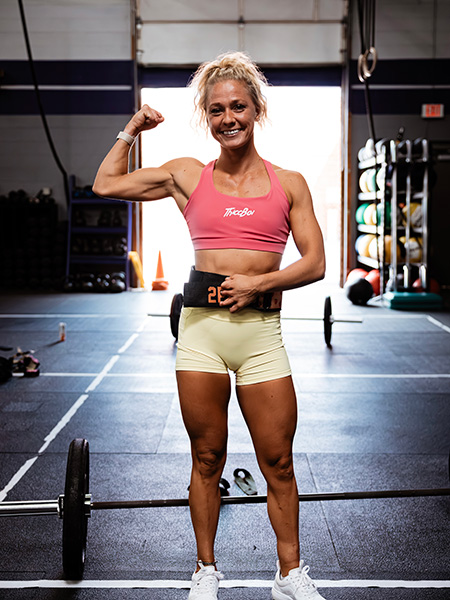
Julia was born in Russia and adopted at two and a half years old, brought to America by parents who would go on to build a family of ten children: two sisters and seven brothers, a mix of biological and adopted kids, many of them born with physical differences like missing limbs. Julia herself was born with cupped hands and is missing the toes on her left foot. Shortly after arriving in the U.S., she had surgery to have her fingers separated.
Growing up on a 50-acre farm in a household that also included eighty chickens, thirty goats, several cows, and countless cats and dogs, Julia learned early what it meant to be part of a community. “When you are in the household with [what felt like] a million people, you have to be patient just because there’s chaos all the time,” she laughs. But beneath the chaos was something deeply grounding—the knowledge that she was never alone.
School was harder for her. “We all know that kids are not the nicest,” she says. “They see someone as different, so we were targeted more.” So home was a refuge, a place where being different was simply normal. Her father and mother, a retired FBI agent and a registered nurse respectively, made sure of that. “They did an amazing job showing us that if we want it, we can do it.”
It’s a lesson Julia has carried with her ever since.
From Courtroom to Care
Julia’s path to nursing wasn’t linear; in fact, it was blocked before it ever really began. When she first explored nursing in 2012 at the Career and Tech Center, a teacher told her plainly that it was unrealistic for her to do it—her hands would hold her back, as she wouldn’t be able to even take a pulse. Nursing simply wasn’t an option.
“That really kind of pushed me away,” Julia says. “How are you supposed to be a nurse if you can’t use your hands?”
She pivoted to law instead, earning a Bachelor’s in Criminal Justice from McDaniel College and a Master’s in Forensic Investigation from Stevenson University. The courtroom, at least, didn’t require her hands. But law school eventually revealed itself as the wrong fit too, and Julia found herself asking a harder question: where did she actually want her passion for helping people to go?
The answer was forensic nursing, a field that places nurses at the intersection of healthcare and the justice system, where duties can include collecting evidence, documenting injuries, and providing expert testimony for victims of violence. It was the perfect fusion of everything she cared about: justice, advocacy, and hands-on care.
In Fall 2026, Julia will begin classes in the Registered Nursing program at Carroll Community College. During her New Student Orientation, she had a conversation with a Nursing instructor who reassured her that the program would work with her to adapt the clinical skills she’d need as a nurse. For Julia, it was the kind of encouragement—and renewed sense of possibility—she hadn’t received before.
Today, Julia also works as a victim advocate for domestic violence at CARE Healing Centerin Westminster and as a program specialist for Mothers Against Drunk Driving, visiting high schools and community events to talk about impaired driving. She runs a full schedule: working full-time during the day, attending classes at night, working on-call as a medical advocate, and training at her gym.
Embracing the Adaptive
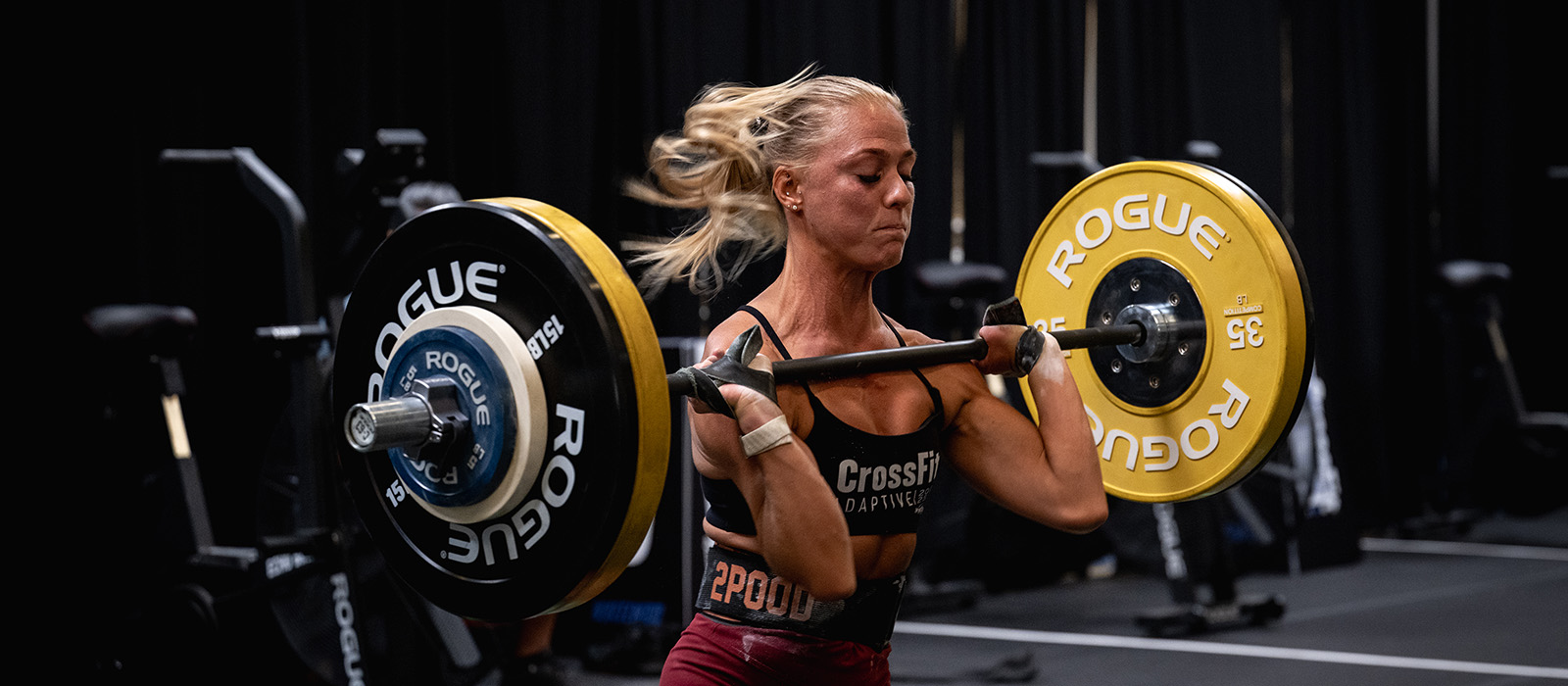
What helped her believe she actually could become a nurse? Surprisingly, a barbell.
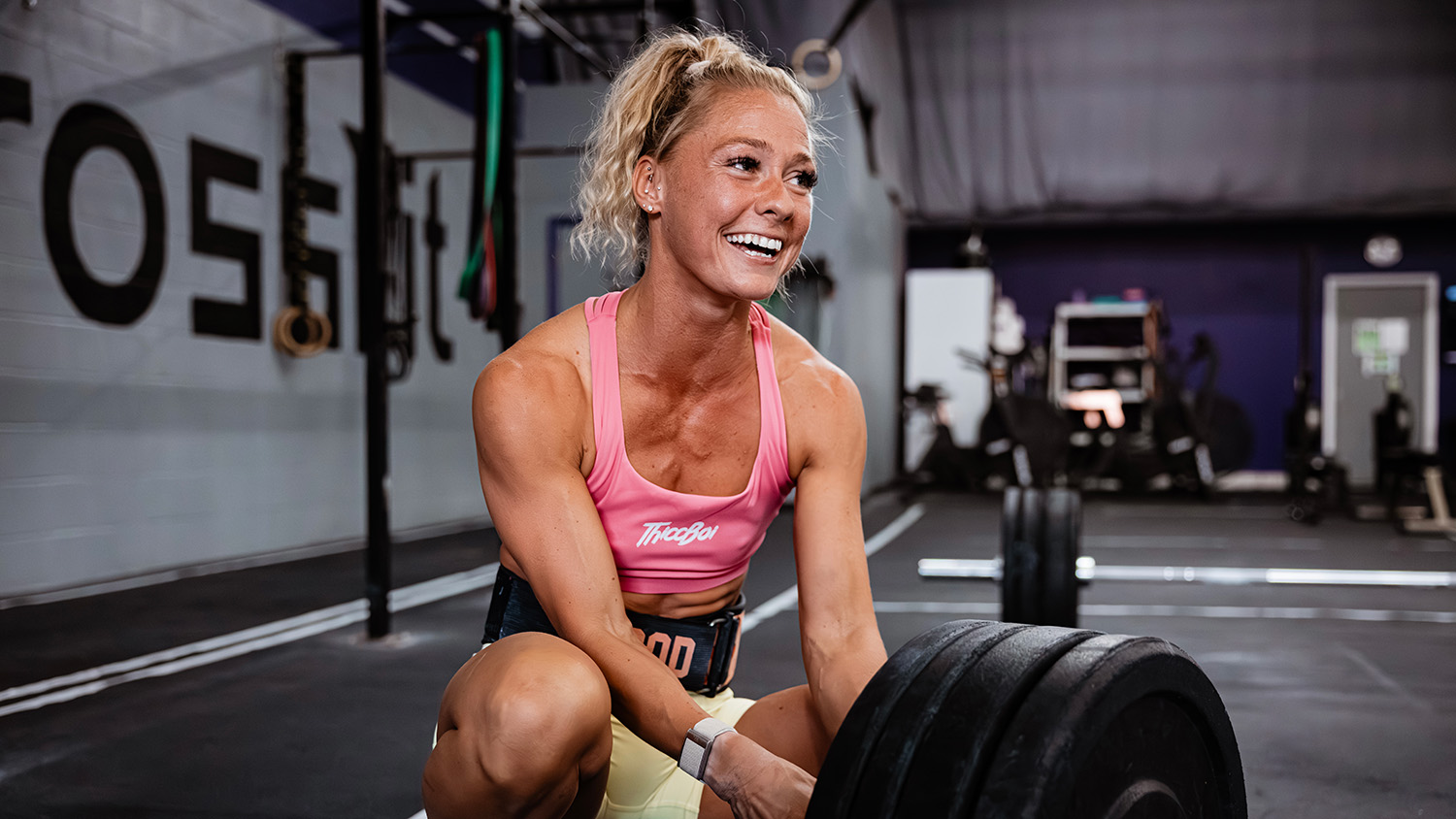
In 2018, Julia discovered Blackbird CrossFit in Eldersburg, MD and found a community that mirrored the one she grew up in. “They made me feel welcomed and didn’t see my disability, she said with a smile. “They rally around you. They really encourage you and push you, and it’s just kind of nice to suffer all together. They have truly been a blessing.”
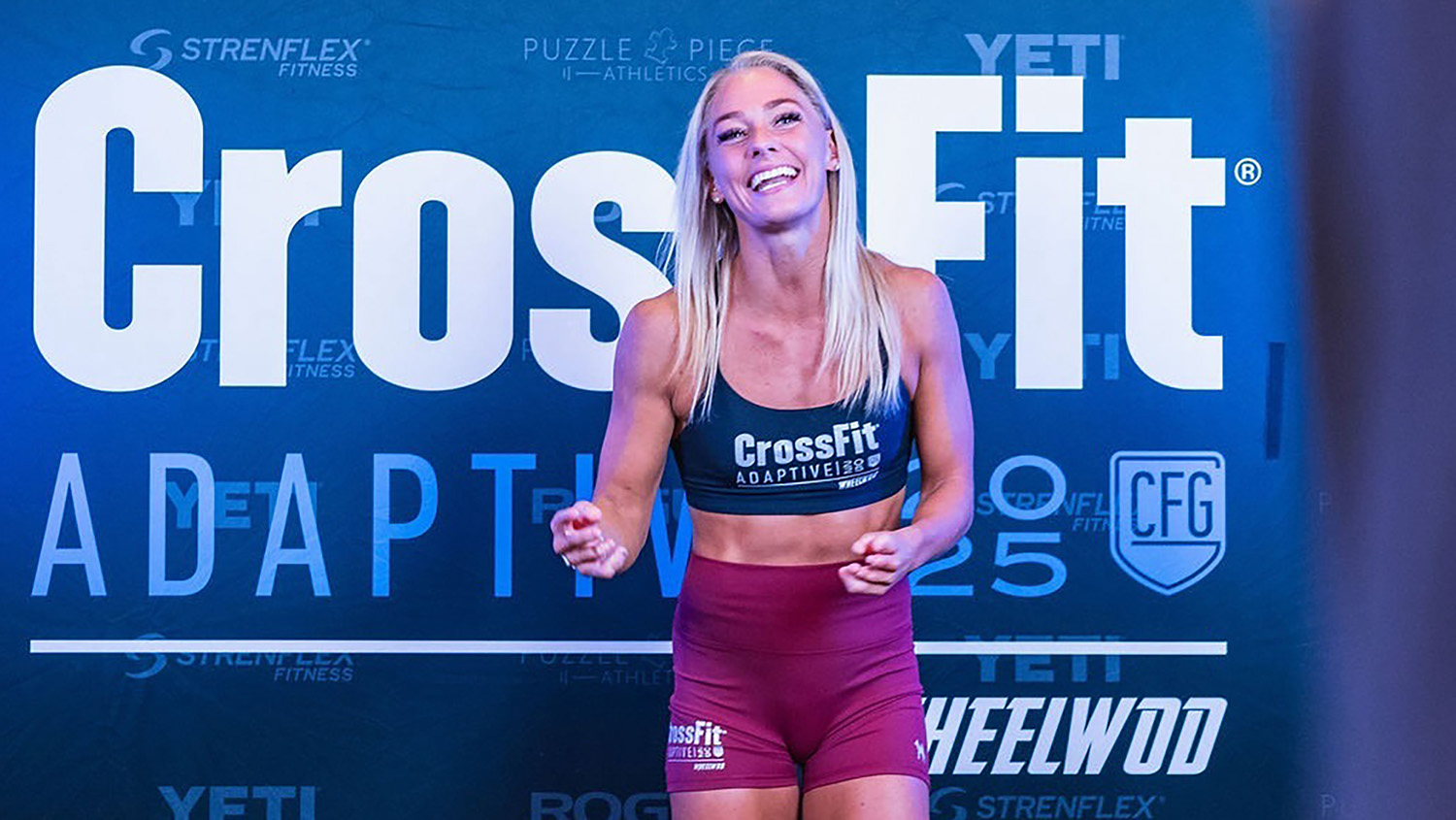
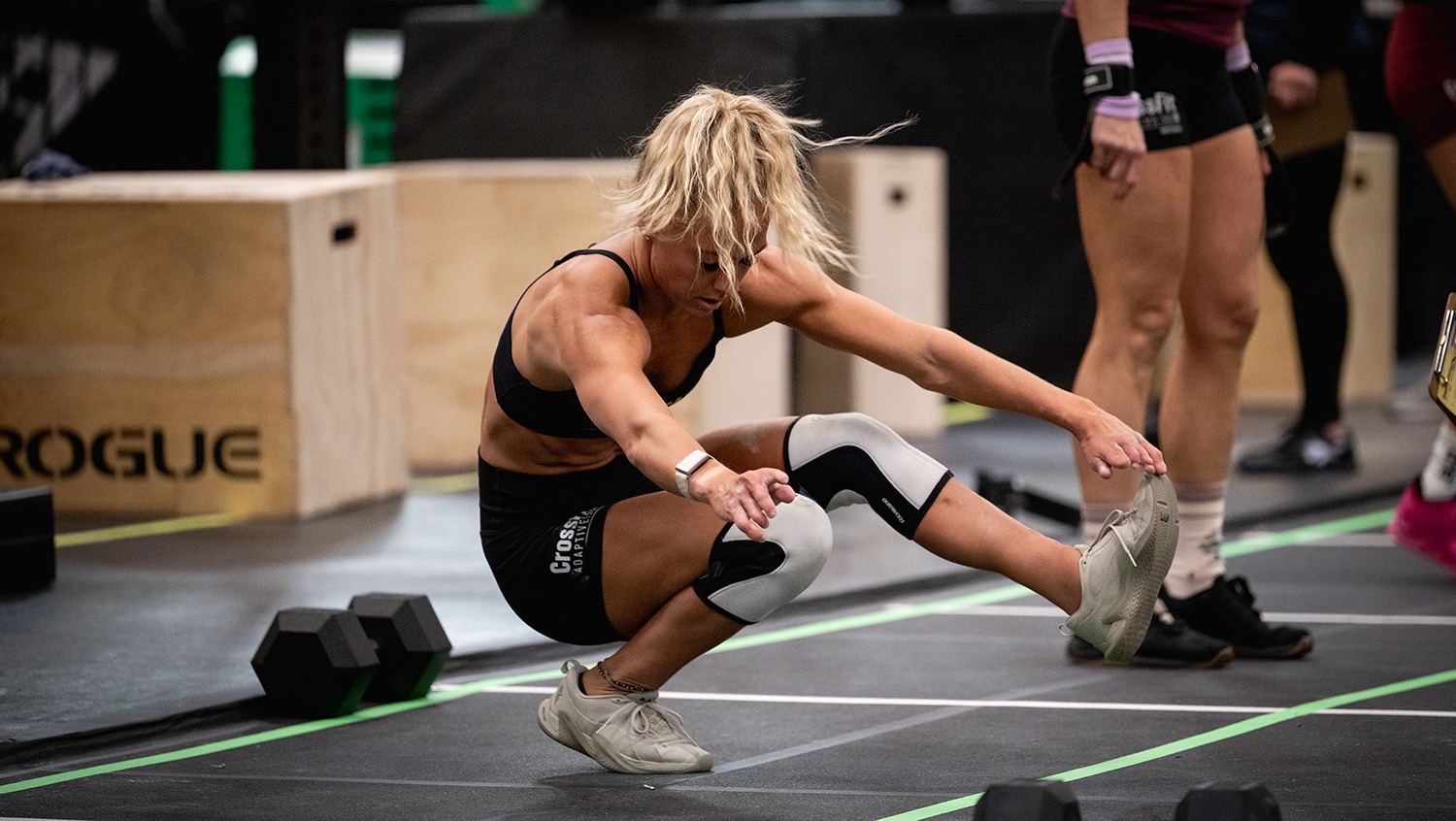
Adaptive CrossFit equipment allows athletes with disabilities or injuries to safely perform exercises. Organizations like WheelWOD, which supports the adaptive division within CrossFit, have helped create space for athletes of all abilities to compete and thrive. For years, Julia had pushed through workouts without adaptive equipment with the same determination that had carried her through a lifetime of people underestimating her.
But then a coach reframed everything for her. Accepting help wasn’t weakness—it was strategy. “It helped me open up a door I didn’t realize I needed,” Julia shares. “That it’s acceptable to accept help from others.”
That realization extended far beyond the gym. If adaptive equipment didn’t make her less of an athlete, then adaptive technique didn’t make her less of a nurse. “Just because I don’t do it just like everybody else doesn’t mean I can’t do it,” she says. “I find things that work best for me.”
Defining Her Own Limits
This shift in mindset paid off. Last year, Julia placed second at the national Adaptive CrossFit Games, a fitting symbol of what happens when you stop letting other people define your limits. “I am a very competitive person,” she says. “If you told me I can’t do it, I’m going to find a way to do it and I’m going to beat you at it.”
She’s also passionate about how adaptive CrossFit is perceived. Unlike scaling—the practice of modifying workouts to a lower intensity based on fitness level—adaptive CrossFit is about leveling the playing field, not lowering the bar. “Can you imagine holding onto a dumbbell with two fingers? Because that’s how I do it,” Juila shares. “I want people to notice that it’s not scaling. We can be just as elite as [nonadaptive] CrossFitters.”
Julia’s motto is printed on T-shirts she made to help fund her trip to the CrossFit Games: Be stronger than your excuses. It’s five words that sum up a life lived in defiance of limitation, not with bitterness but with heart.
“If you have the want, the will, and the power,” she says, “why not do it?”
Photo credits: All photos in this article credited to Stutters Media – Anthony and Jeffrey Paul Jr. Productions