Building the Future of Skilled Trades: Reimagining Job Skills Training at Carroll Community College
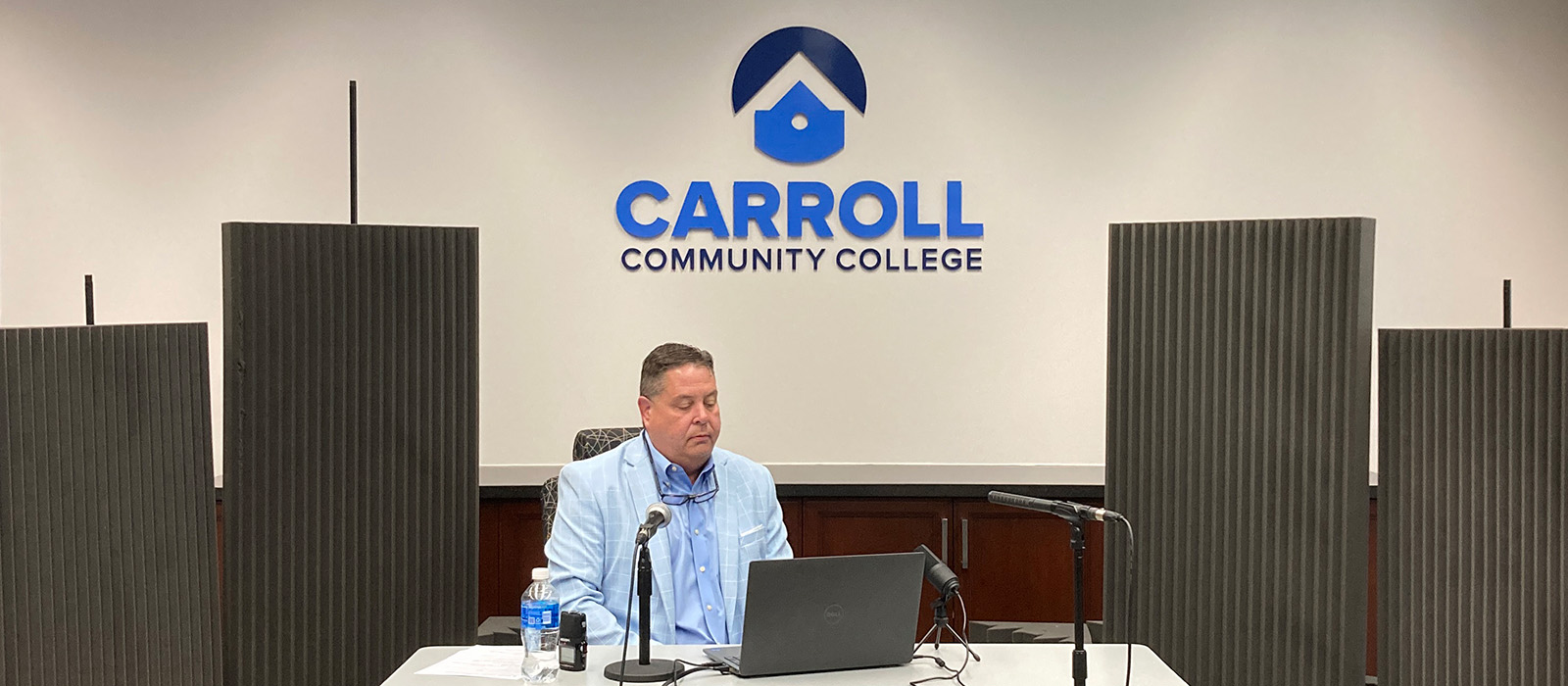
At a time when America is grappling with a growing skilled labor shortage, Steven Berry is helping lead a quiet revolution in job skills training from the heart of Maryland.
As Dean of Workforce, Innovation, and Community Advancement at Carroll Community College, Berry is not simply overseeing programs. He is reshaping how students, employers, and entire communities think about careers in the skilled trades.
During a recent appearance on The Trades Podcast, Berry shared an inspiring vision for the future of workforce development, one rooted in innovation, accessibility, and real-world opportunity.
A New Era for the Skilled Trades
For decades, the cultural narrative around career success centered almost exclusively on 4-year college degrees. But Berry believes that narrative is rapidly changing, and for good reason.
“The trades at the College are really starting to take off,” Berry explained during the podcast. Enrollment and interest in skilled trades programs are surging, particularly in HVAC, welding, automotive technology, plumbing, and electrical apprenticeships.
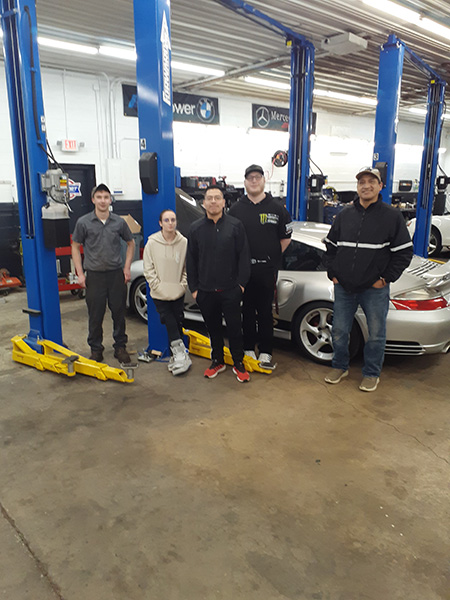
At Carroll Community College, the numbers tell the story. Berry highlighted how the College’s Automotive Technician program, which previously served only eight to ten students annually, recently exploded to 24 enrollments in a single year, prompting the school to hire additional instructors to keep pace with demand. The Welder program has also become so popular that the College now maintains a waiting list.
This momentum reflects a broader shift happening nationwide: students are increasingly prioritizing careers that provide financial stability, job security, and freedom from massive student debt.
Job Skills Training That Meets Real Employer Needs
Rather than designing programs in isolation, Berry actively collaborates with local employers, contractors, manufacturers, and regional industry leaders to understand workforce gaps in real time. That feedback directly shapes Carroll’s job skills training programs.
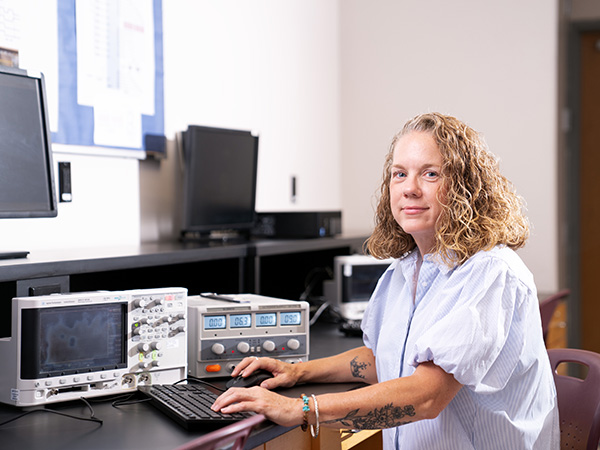
Berry described one example involving a local defense contractor struggling to fill entry-level positions despite offering strong wages. In response, Carroll quickly developed an Electrical Assembler program. Within just 18 months, the program had already served 43 students and reached full enrollment capacity.
This kind of agile workforce development has become a hallmark of Berry’s leadership philosophy: Education must move at the speed of industry.
Preparing Students for an AI-Driven Economy
Berry also addressed one of the biggest anxieties facing today’s workforce: artificial intelligence. While many professions are questioning their long-term viability in an AI-driven world, Berry sees the skilled trades as uniquely resilient.
“The trades are AI-proof,” he said plainly during the interview.
But that does not mean technology is absent from modern trades. In fact, Berry emphasized that today’s technicians are working with advanced systems, automation tools, diagnostics software, and sophisticated equipment that require both technical knowledge and adaptability.
To address this, Carroll Community College has heavily invested in simulation technologies and advanced learning environments. Automotive students now train using sophisticated simulators for braking systems, steering and suspension diagnostics, automotive electronics, and advanced driver-assistance systems.
Berry believes today’s students are especially well-positioned to thrive in this environment because they are naturally comfortable with evolving technology. “They see technology as something to work with, not around,” he explained.
Expanding Carroll’s Vision at a Critical Moment
Berry shared plans for a new 10,000-square-foot off-campus trades center funded by the Carroll Community College Foundation and the Philip E. & Carol R. Ratcliffe Foundation. The expansion will help alleviate growing course waitlists while supporting long-term plans for a permanent on-campus trade facility.
And the timing could not be more critical.
Maryland is preparing for major infrastructure growth, including new data center construction projects that will require large numbers of electricians, HVAC technicians, plumbers, and construction professionals. At the same time, statewide rebuilding efforts, such as the reconstruction tied to the Francis Scott Key Bridge collapse, are creating even greater demand for skilled labor.
Berry understands that community colleges are now central players in regional economic development.
We’re seeing rising enrollments. Students are coming into the trades in very large numbers.
Changing Perceptions About the Trades
Perhaps one of the most important cultural shifts Berry highlighted is the evolving attitude of high school counselors and educators.
When he first joined Carroll Community College over a decade ago, many counselors knew little about job skills training programs or apprenticeship pathways. Today, counselors frequently visit Carroll’s campus for informational tours of its skills training labs, as well as actively invite Berry and his team into schools to speak with students about career-driven opportunities in the trades.
This change matters enormously.
For years, many students were told that success required a traditional 4-year university path. Berry and his colleagues are helping redefine success by elevating careers that offer high wages, long-term stability, entrepreneurship opportunities, and meaningful work.
A Leader Focused on Community Impact
Throughout the interview, Berry consistently returned to one theme: connection.
Connection between education and employers.
Connection between students and opportunity.
Connection between workforce needs and economic growth.
His leadership at Carroll demonstrates what modern job skills training can become when institutions listen closely to industry while investing deeply in students.
At a time when the nation urgently needs skilled professionals, Steven Berry is helping build more than training programs. He is building pipelines to purpose, prosperity, and community advancement. In the process, he is proving that the future of job skills training may very well begin at the community college.