Biology, A.S.
At a Glance
Start Your Path to Medical, Research, or Environmental Careers
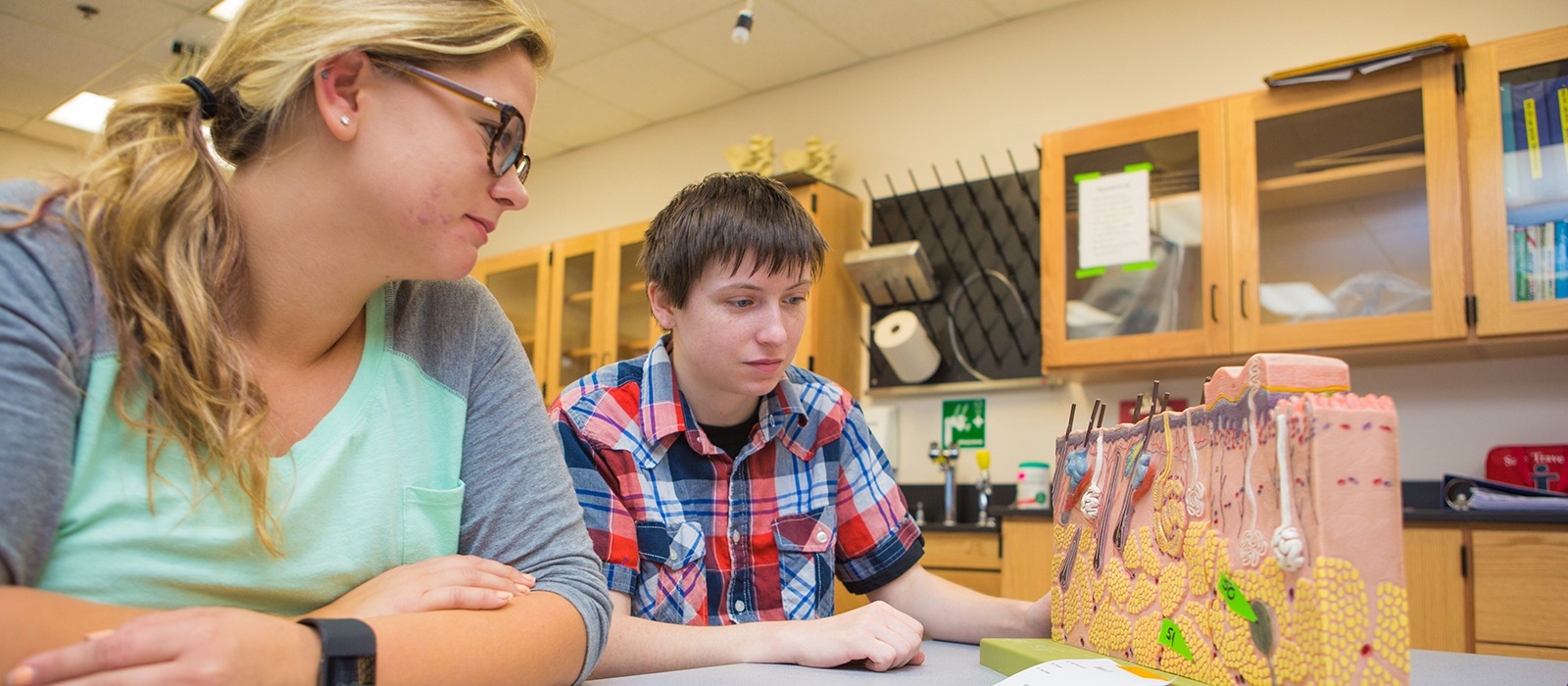
Carroll’s Biology Associate degree program builds a strong foundation in Biology through engaging lecture and laboratory courses. Students gain hands-on experience, collaborative skills, and seamless transfer opportunities to Maryland universities. Graduates of our program are well positioned to pursue rewarding careers in STEM and Allied Health fields.
Degree Type:
Associate of Science (A.S.)
Credits:
60
Typical Program Length:
2-3 years (full-time)
Start Dates:
September/October (Fall), December/January (Winter), February/March (Spring), June (Summer)
Format:
In-person (with lab & field experiences) and Hybrid
Approximate Cost:
$10,995 for in-county residents (books excluded); Apply for scholarships & financial aid
Transfer:
Aligns with the first 2 years of a Biology Bachelor’s program at most Maryland colleges & universities
Helpful Resources

Why Start Your Biology Degree at Carroll?
- Explore all forms of life
- Study everything from genes to oceans, rainforests, and even life beyond Earth, while discovering the biology focus that most fits your interests, such as marine science, biotechnology, or healthcare.
- Save money, stay on track
- Earn a 60-credit Associate of Science degree and transfer with junior standing, helping you complete your Bachelor’s degree faster and at a lower overall cost.
- Learn by doing
- Small classes (17:1 student-to-faculty ratio), hands-on labs, field trips, and internship opportunities in local labs and industries give you real-world experience and personal attention.
- Get noticed & graduate ready
- Join the STEM Scholars Honors Program for exclusive scholarships & advanced research opportunities, and graduate prepared to transfer or to begin your career.
Biology Showcase
Take a closer look at some Biology program highlights and student achievements.

Career Options & Outcomes
Discover Your Passion
Find out what your interests are and how they relate to the world of work.
What Biology Grads Go On to Do
Biologists study living systems by conducting laboratory experiments, collecting and analyzing field data, monitoring ecosystems, testing samples, supporting medical and biotech research, and applying scientific methods to solve problems related to health, the environment, and food systems.
Roles include:
- Doctor/Medical Professional
- Veterinarian
- Environmental & Conservation Scientist
- Agricultural & Food Scientist
- Biotechnician or Lab Analyst
- Marine Biologist
- Zoologist/Wildlife Biologist
- Forensic Scientist
Most biology careers require a Bachelor’s degree. That’s why this A.S. is built to keep you on track, with courses that transfer smoothly and advisors who help you plan ahead.
Salary Snapshot
Note: These figures* represent national averages and may vary by region and industry sector.
- Median annual wage: $57,510
- Employment growth: 7% projected from 2025–2035
- Median annual wage: $87,990
- Employment growth: 6% projected from 2025–2035
Zoologists & Wildlife Biologists
-
- Median annual wage: $76,780
- Employment growth: 4% projected from 2025–2035
Source: U.S. Bureau of Labor Statistics
Transfer Pathways
- Seamless credit transfer to most Maryland public colleges & many private universities.*
- Enter your transfer school as a junior in a Biology-related major for a faster path to your Bachelor’s degree.
- Dedicated transfer advisors help guide your course planning and transition.
*If you plan to transfer to McDaniel College, Stevenson, Towson, UMBC, UMGC, or University of Baltimore, Carroll’s new Dual Admissions program, Transfer Plus, offers additional benefits.
Advisory Board
Carroll’s Biology curriculum is continuously reviewed by an advisory board of industry and academic experts, so what you learn stays relevant for all current skill and knowledge requirements.

Curriculum

Faculty
Carroll’s Biology faculty are researchers, mentors, and passionate educators who bring real-world science and personal support into every class. Our small class sizes allow for more personalized attention from your instructors.

News
STEM Students of Carroll Continue to Excel
Read More about STEM Students of Carroll Continue to ExcelI was already excited to join the STEM Scholars program offered at Carroll because of the professional development resources it offered me in my pursuit of becoming a wildlife biologist. The fact that I will be receiving scholarship funds on top of STEM skills training is an amazing blessing.
- Will I get to do research outside of class?
Yes! In addition to class-based projects, you can apply for internships with local labs, biotech firms, or environmental organizations. Students in the STEM Scholars Honors Program also conduct in-depth research that looks great on transfer and scholarship applications. - What if I need help in a tough science course?
You’re never on your own. Carroll offers free tutoring, faculty office hours, and peer study sessions. Plus, small class sizes mean your professors actually know your name and can give personalized support. - Are there any field trips or outdoor learning opportunities?
Definitely! Many courses include field studies at local parks, waterways, and nature sites where you’ll collect data, observe ecosystems, and practice real-world techniques. - Are there scholarships just for Biology or STEM students?
Yes. Carroll offers STEM-specific scholarships, including a STEM Scholars Award, as well as Foundation scholarships and financial aid programs. Your advisor can help you explore all available options. - How do I apply for the STEM Scholars Honors Program?
You can apply once you’re admitted to Carroll. The program is open to motivated students interested in research & transfer opportunities in STEM. Visit the STEM Scholars page or talk to an advisor for details. - Can I work while earning my degree?
Absolutely. Many students work part-time or full-time while taking classes. Carroll offers flexible scheduling, including some evening, weekend, and hybrid courses, so you can balance school, work, and life. - Do I need a Bachelor’s or higher degree to work in biology?
Most biology-related careers require at least a Bachelor’s degree, which is why this A.S. degree is designed for transfer. But your Associate’s degree can also help you qualify for entry-level lab or technician roles right away. - How strong is the local job market for biology careers?
According to the Maryland Department of Commerce, Maryland is one of the largest biology clusters in the U.S., with more than 500 biotech firms and 2,000+ life science companies. That means great internship and job opportunities close to home. - What if I’m interested in science but not sure Biology is the right path for me?
That’s okay! Carroll’s academic advisors can help you explore other STEM programs, like Biomedical Engineering, Chemistry, or Allied Health, to find what fits you best. - What kind of extracurricular activities are available to Carroll students?
Student Engagement offers a variety of activities and programs including bus trips, movie nights, retreats, multicultural programs, sporting events, theatrical productions, lectures, and more! Learn more about them here.